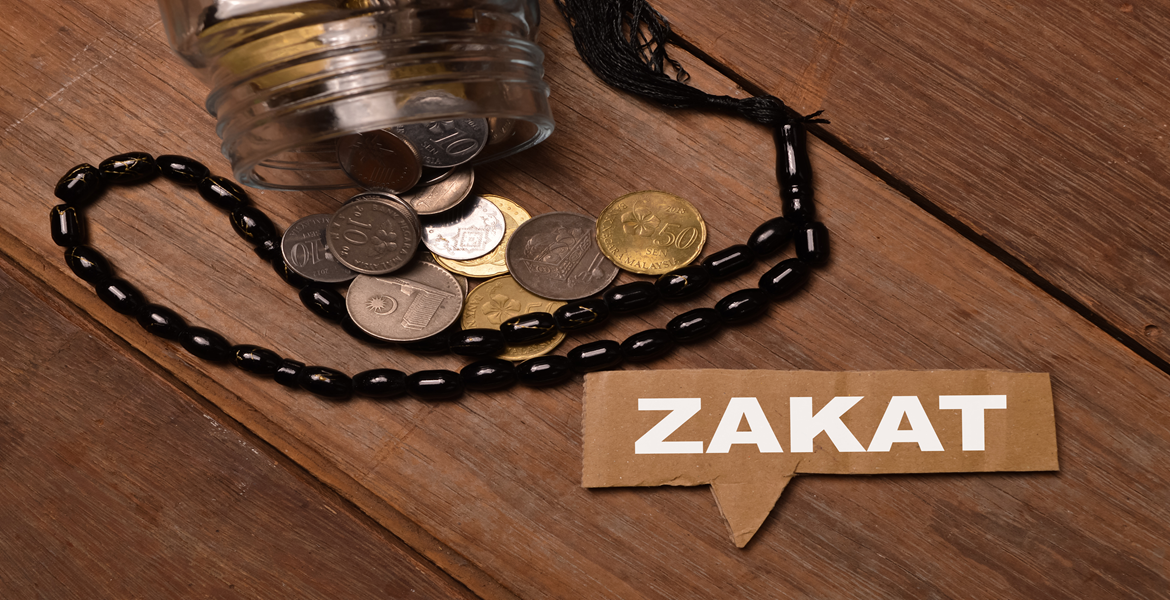
For Muslim investors seeking both financial growth and spiritual fulfilment, the question of Zakat on investments is critical. Can modern portfolios truly be purified in line with Islamic obligations? The answer lies in understanding the spiritual philosophy of wealth and the practical mechanics of purification.
💡 Understanding the Obligation
Zakat is not just a charity — it is a divine obligation (farḍ), purifying both wealth and the soul. According to the Qur’an:
“Take from their wealth a charity by which you purify them and cause them to increase [in blessing].” — Surah At-Tawbah (9:103)
🧾 How to Calculate Zakat on Investments
Here’s a simplified framework:
Shares & Stocks:
If held for capital gain, zakat is due only on the zakatable assets of the company (e.g. cash, inventory).
If held for trading, zakat is due on the full market value.
Pension Funds:
Zakat is due if funds are accessible and under your ownership, depending on type (defined contribution vs. defined benefit).
Gold, Silver, REITs:
Zakat applies at 2.5% on the market value if they meet nisab and ownership criteria.
Purifying wealth is not merely a box-ticking ritual. It’s a conscious act of aligning your investments with divine accountability.
📌 Final Reflection
Zakat bridges the gap between profit and purpose. It ensures that wealth does not become a means of hoarding but of circulation, blessing, and upliftment. A halal investment is incomplete without halal purification.
Stay aware. Keep learning. Reflect.
🧭 Coming Up Next: “Islamic Investment Apps — Are They Truly Shariah-Compliant?” We’ll examine the top faith-based fintech tools and see how they measure up to Islamic standards.
📲 Follow us on LinkedIn, Instagram, and Facebook 🔖 Use #FaithAndFinance to share your investing journey
📬 Want to contribute? Click here to submit your article or research to JIBEP